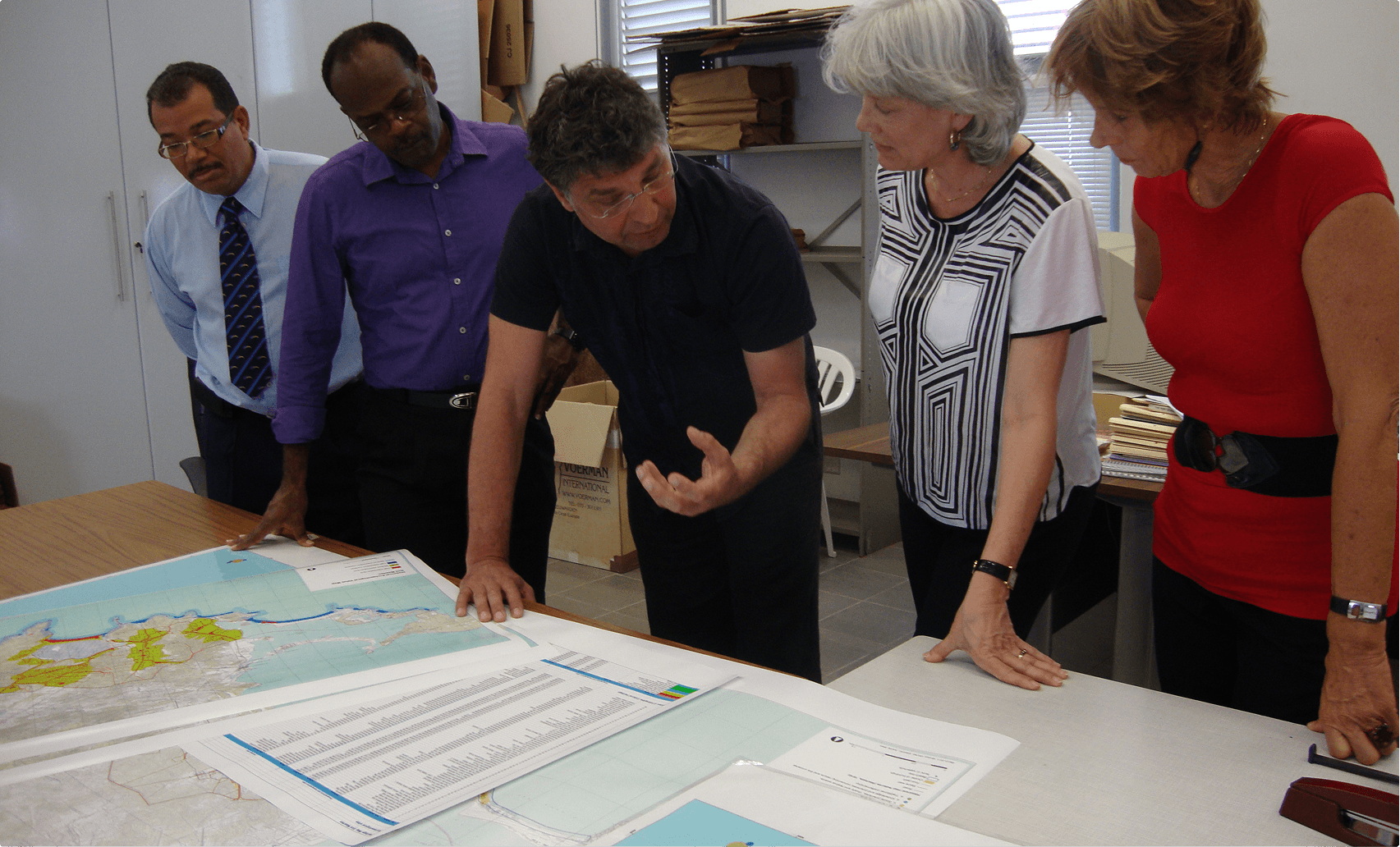
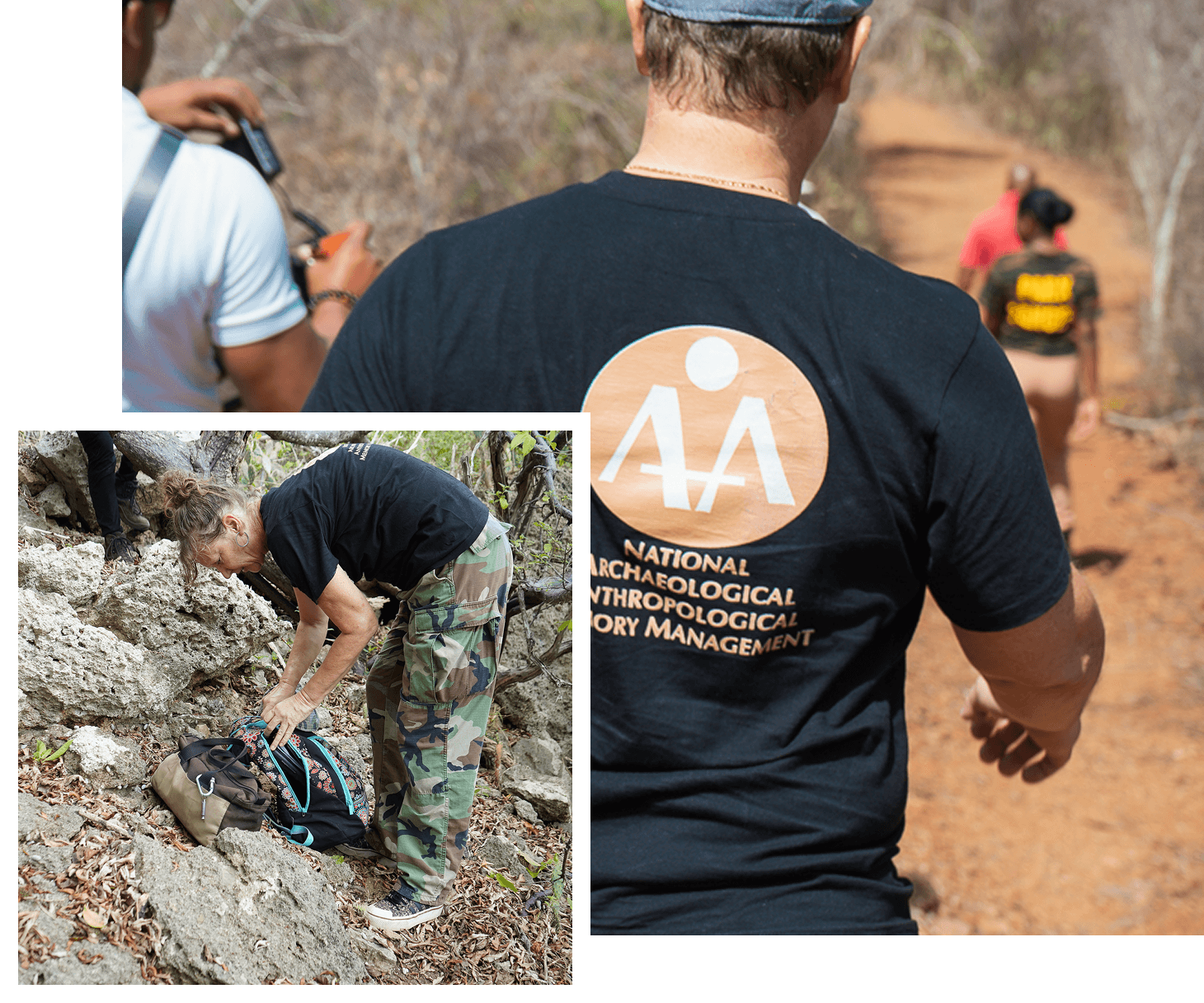
The National Archaeological and Anthropological Memory Management (NAAM) Foundation is a nonprofit, non-governmental heritage organization based in Curaçao. We focus on research, preservation, and sharing of Curaçao’s tangible and intangible cultural heritage, all seen through a unique Caribbean perspective.
Founded in 1998 by the Central Government of the former Netherlands Antilles, NAAM Foundation succeeded the Archaeological Anthropological Institute of the Netherlands Antilles (AAINA). Building on AAINA’s legacy, NAAM expanded its mission to include oral history, community-based heritage work, and inclusive storytelling. Today, we are a leading research and knowledge center in the Dutch Caribbean, bridging past and present through academic inquiry and public engagement.
Our Focus
At NAAM, we believe that heritage is not just what we inherit; it is a living force that shapes our identity, fosters connections, and inspires reflection.
We explore these themes through a multidisciplinary approach that combines archaeology, anthropology, education, and policy.
Our Services
Archaeological & Anthropological Research
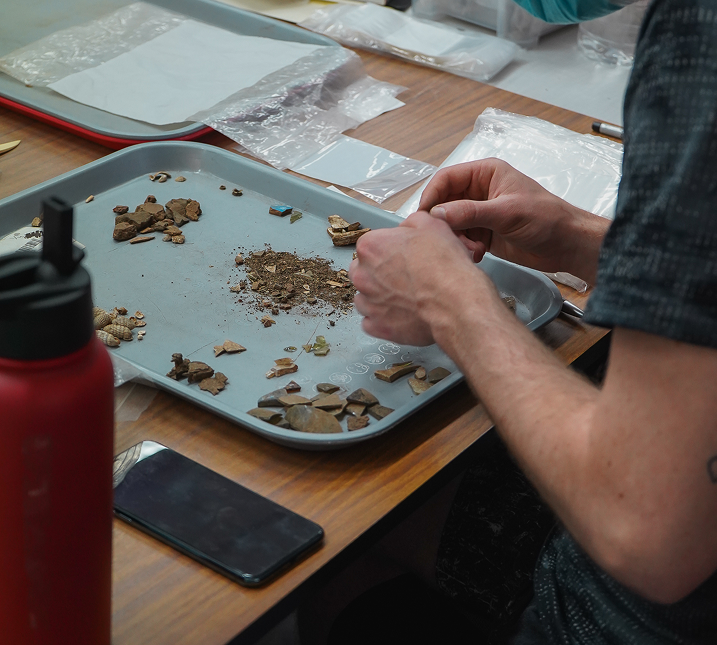
From excavations to oral histories, we study daily life, traditions, rituals, and migration stories to gain a deeper understanding of Curaçao’s past and present.
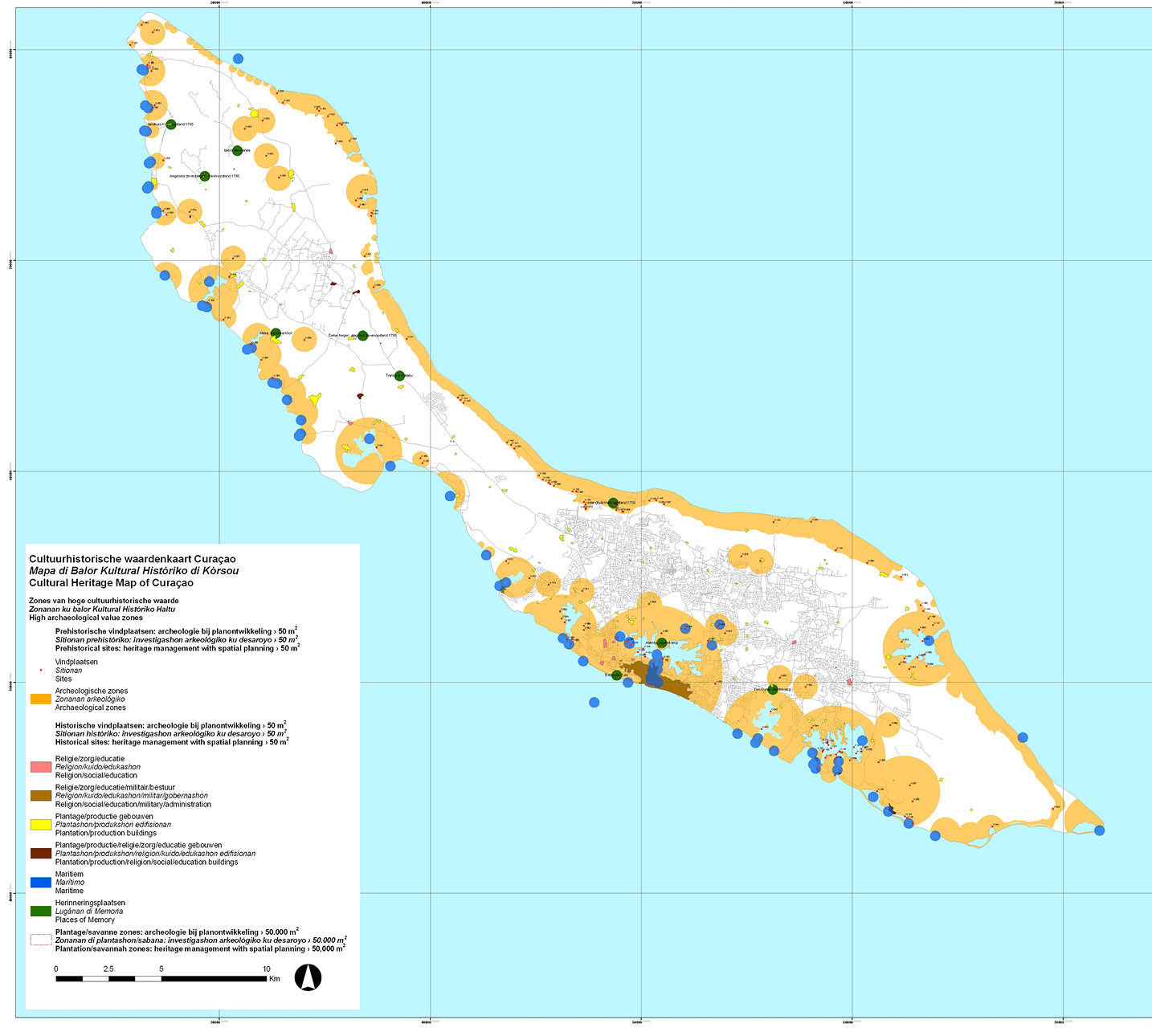
We manage the national heritage collection, including artifacts, documents, photographs, maps, and audiovisual materials. Utilizing modern technologies such as GPS mapping and digital registration, we ensure that this knowledge is preserved and accessible.
In carrying out our core tasks, we align our work with international treaties that protect cultural heritage, human rights, and collective memory. These agreements form a shared global framework and support our commitment to care, preservation, and responsible access for present and future generations.
Malta Convention (1992)
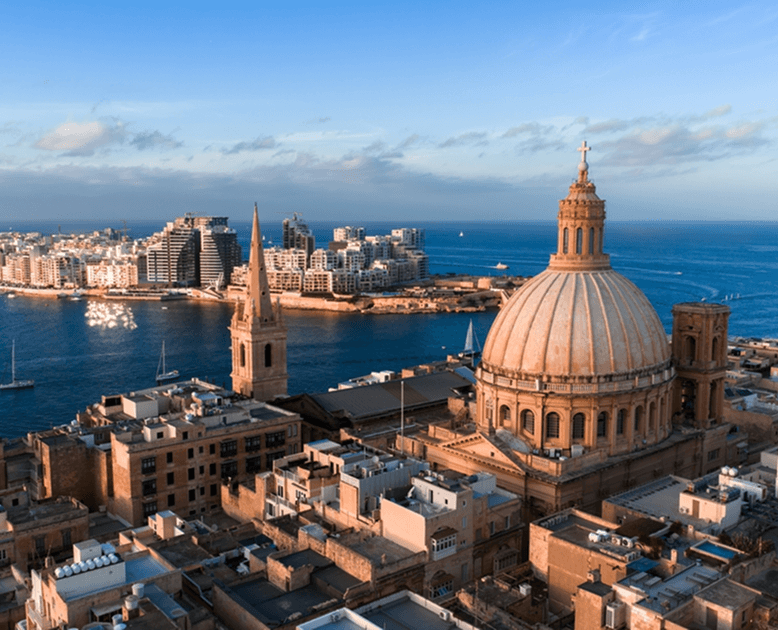
This European treaty, also known as the Treaty of Malta or Valletta Convention, promotes the protection of archaeological heritage as a source of collective memory. NAAM’s mission to safeguard local heritage during development aligns with its principles, such as integrating archaeology into urban planning and encouraging public awareness.
UNESCO Convention on the Protection of Underwater Cultural Heritage (2001)
This treaty protects submerged cultural heritage, including shipwrecks and sunken cities. For Curaçao, surrounded by rich maritime history, it supports efforts to preserve underwater sites from looting and environmental threats, reinforcing NAAM’s work in marine archaeology.
UNESCO Convention for the Safeguarding of Intangible Cultural Heritage (2003)
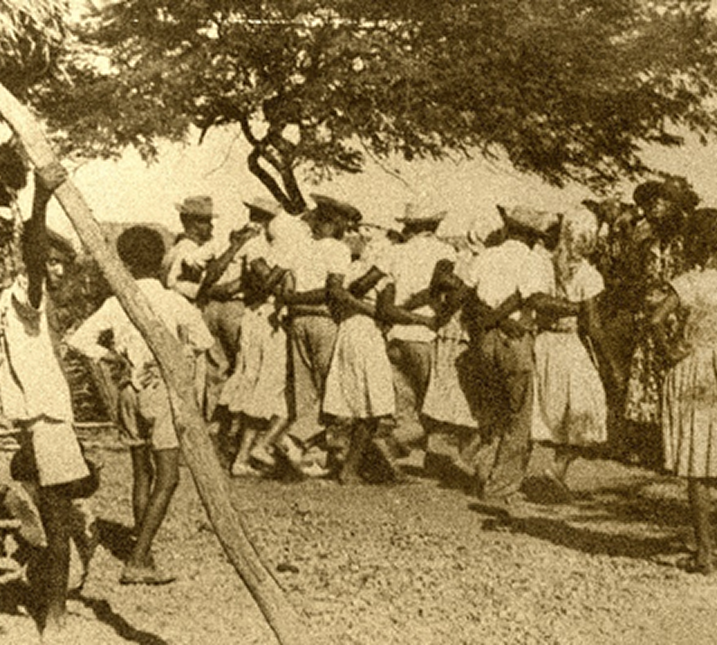
This convention helps protect living traditions, like music, oral history, and rituals. It supports NAAM’s initiatives to document and promote Curaçao’s diverse cultural expressions, ensuring they are passed on to future generations.
Council of Europe Faro Convention (2005)
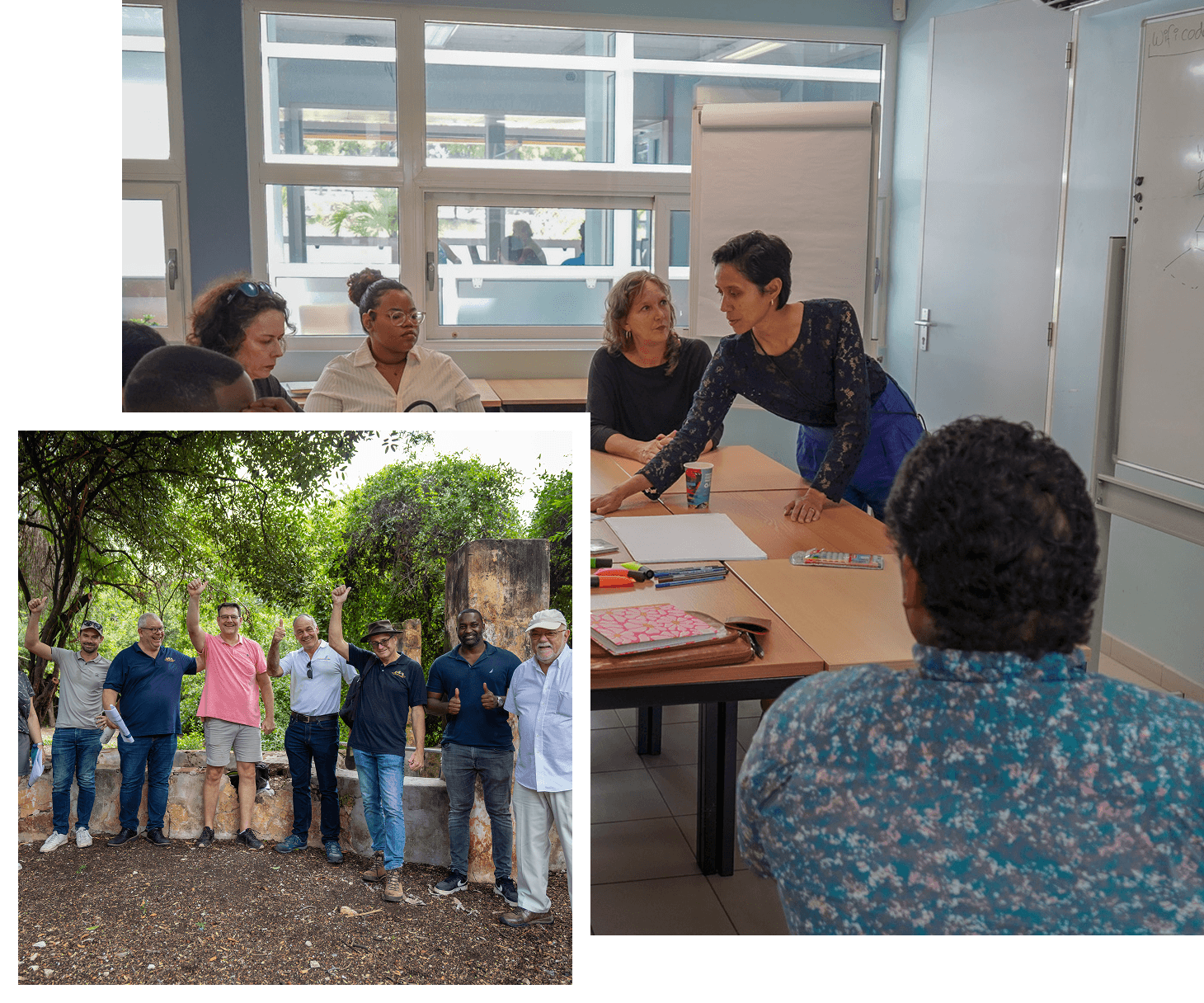
Focused on the right to cultural heritage and public participation, this treaty encourages communities to engage in heritage preservation. While not directly applicable to Curaçao, its values resonate with NAAM’s inclusive approach to involving local communities in heritage work.
Our Commitment
The NAAM Foundation is committed to promoting accessible and inclusive heritage management. We intentionally create space for voices that have long been overlooked, and we challenge outdated narratives by offering new perspectives rooted in historical truth and cultural resilience.
Curaçao’s society was shaped not by plantation agriculture, but by the skills, knowledge, and adaptability of its enslaved and free communities. From this foundation of interdependence, mutual interest, and scarcity, a unique identity emerged; one that continues to evolve today.
Through research, education, and storytelling, we aim to deepen public understanding and foster a more inclusive and empowered future.
At NAAM, we don’t just preserve the past; we activate heritage as a bridge between generations, a mirror of identity, and a catalyst for change.